
The KanzenKai model
KanzenKai turns knowledge into sustainable behavior
We do this through a combination of training, off-the-shelf tools, hands-on application and community accountability.
The reason for this approach is simple: individual courses and lectures often have a short-term effect. They raise awareness but rarely lead to lasting change in the way people make decisions about their money, work and health.
Why this is a real solution and not “more training”
Accumulated experience and research in the field of behavior show several important regularities:
Technology and digital content are not a solution in themselves, if there is a lack of design for action and consistency.

Sustainable habits are not built in a weekend. For most people, it takes time to stabilize a habit weeks, with the median in many studies being around 66 days, with a large individual range.
The KanzenKai model was designed precisely to address these limitations.

What is the KanzenKai model (5 parts)
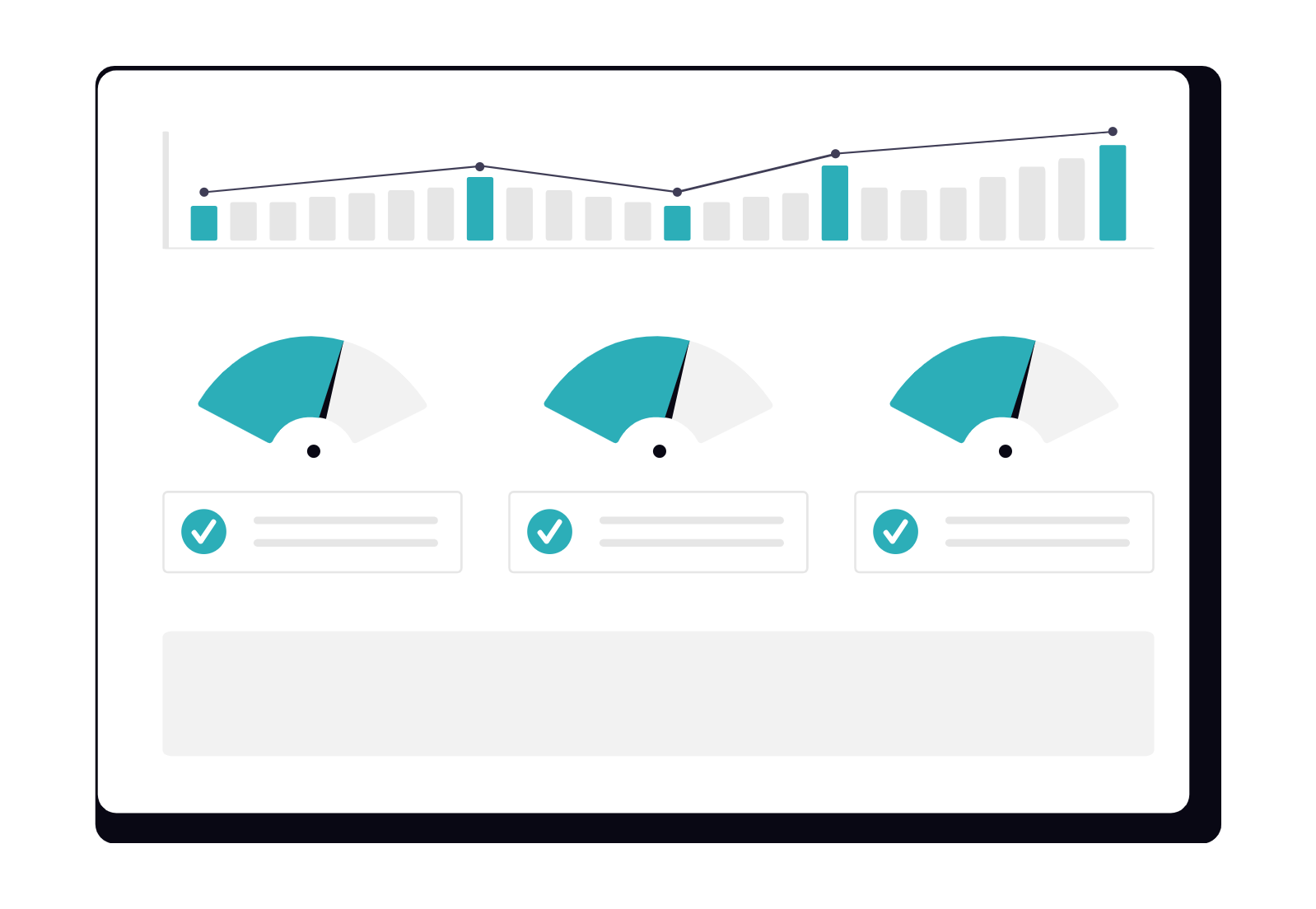
1. Diagnostics and personal “map”
A clear starting point is created before training.
The goal is for the person to understand:
- where resources are flowing and what risks are present
- what is the actual level of knowledge and habits
which 2–3 changes will give the biggest effect in the beginning
The approach is close to international practices for measuring and tracking progress, but adapted to real life.
2. Modules that lead to action, not theory
Instead of broad and abstract lectures, KanzenKai works with short training modules that always end with a specific result:
- Personal Finance: budget, buffer, debt management, spending rules
- Entrepreneurship: idea validation, discipline, first tests, process and progress
- Health and Longevity: sustainable sleep, movement, stress and eating habits (educational, no “miracle promises”)
The focus is on small but applied.

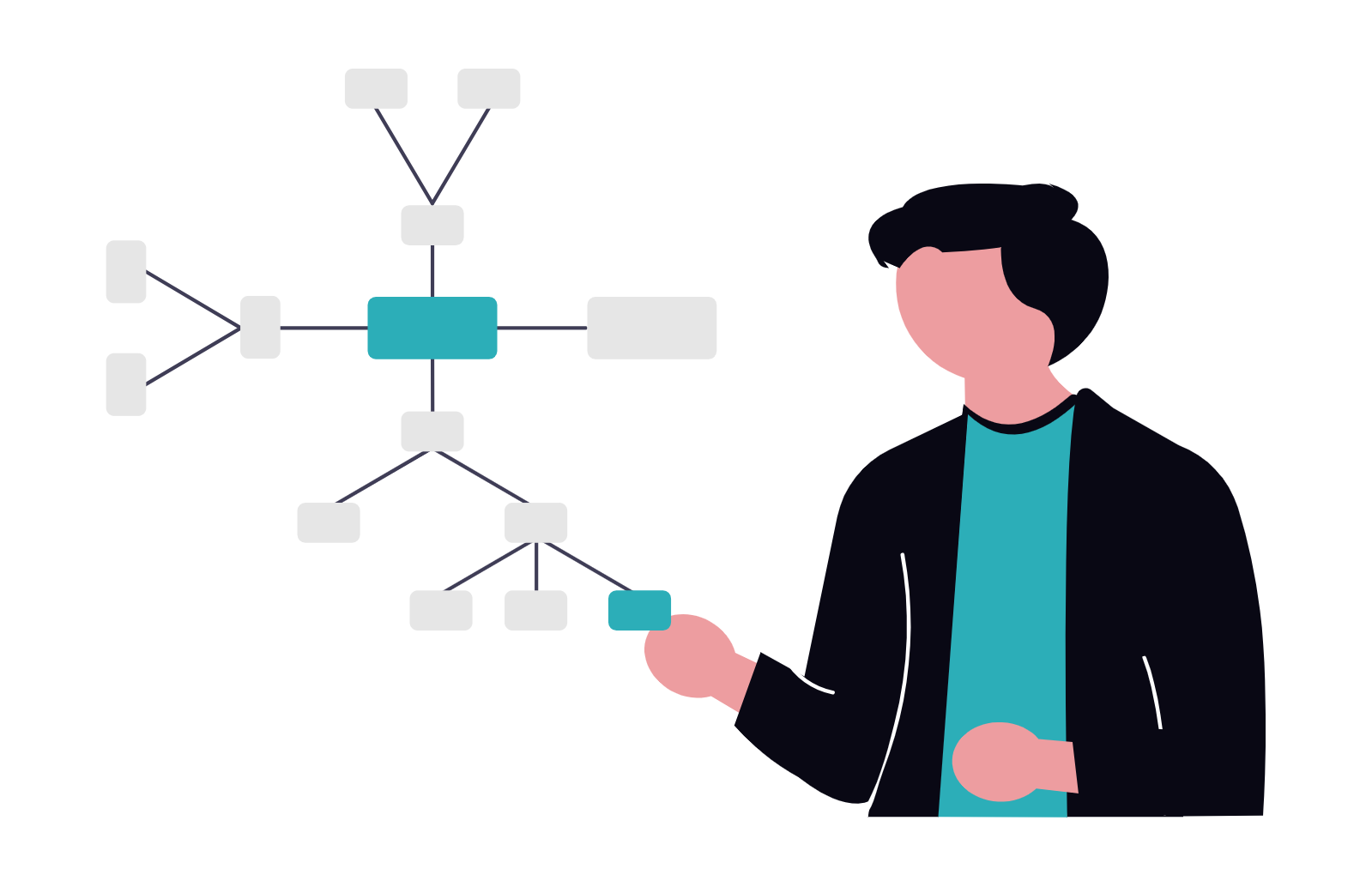
3. Ready tools and systems that reduce chaos
In order not to start “from scratch”, KanzenKai provides ready-made working tools:
- financial dashboard: income, expenses, buffer, goals
- decision rules: when not to make decisions, how to check risk
- weekly review: a 30-minute control and planning ritual
- entrepreneurial mini-playbook: problem → user → proposition → test → next step
These structures reduce mental strain and make sequencing easier.
4. Practice and accountability through community
The most common problem is not “lack of knowledge”, but lack of enforcement.
Therefore, the model includes:
- small weekly tasks
- regular accountability – individual or group
- real case study sharing and course correction
This overcomes the classic “I know what I should do, but I don’t do it”.
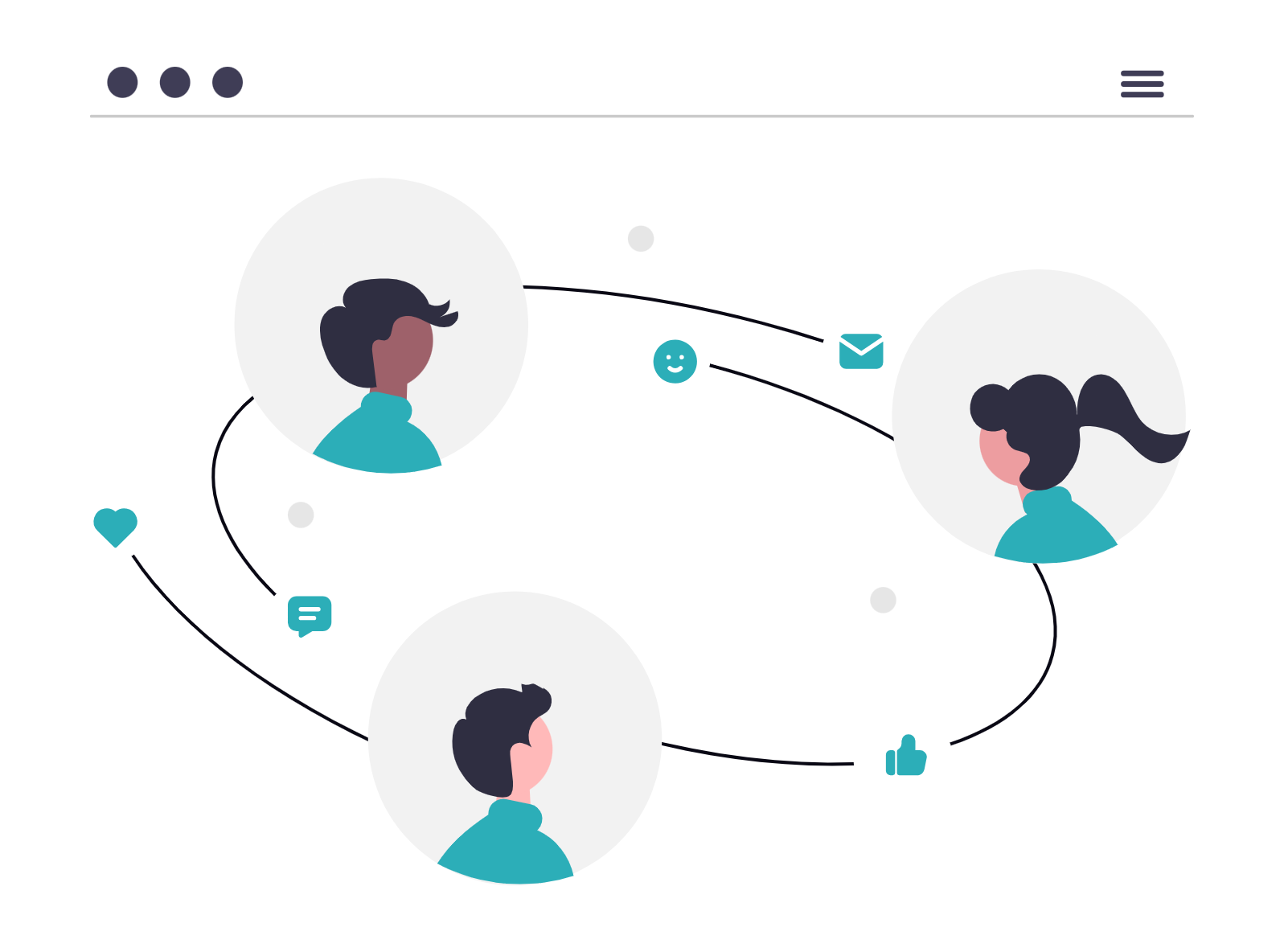
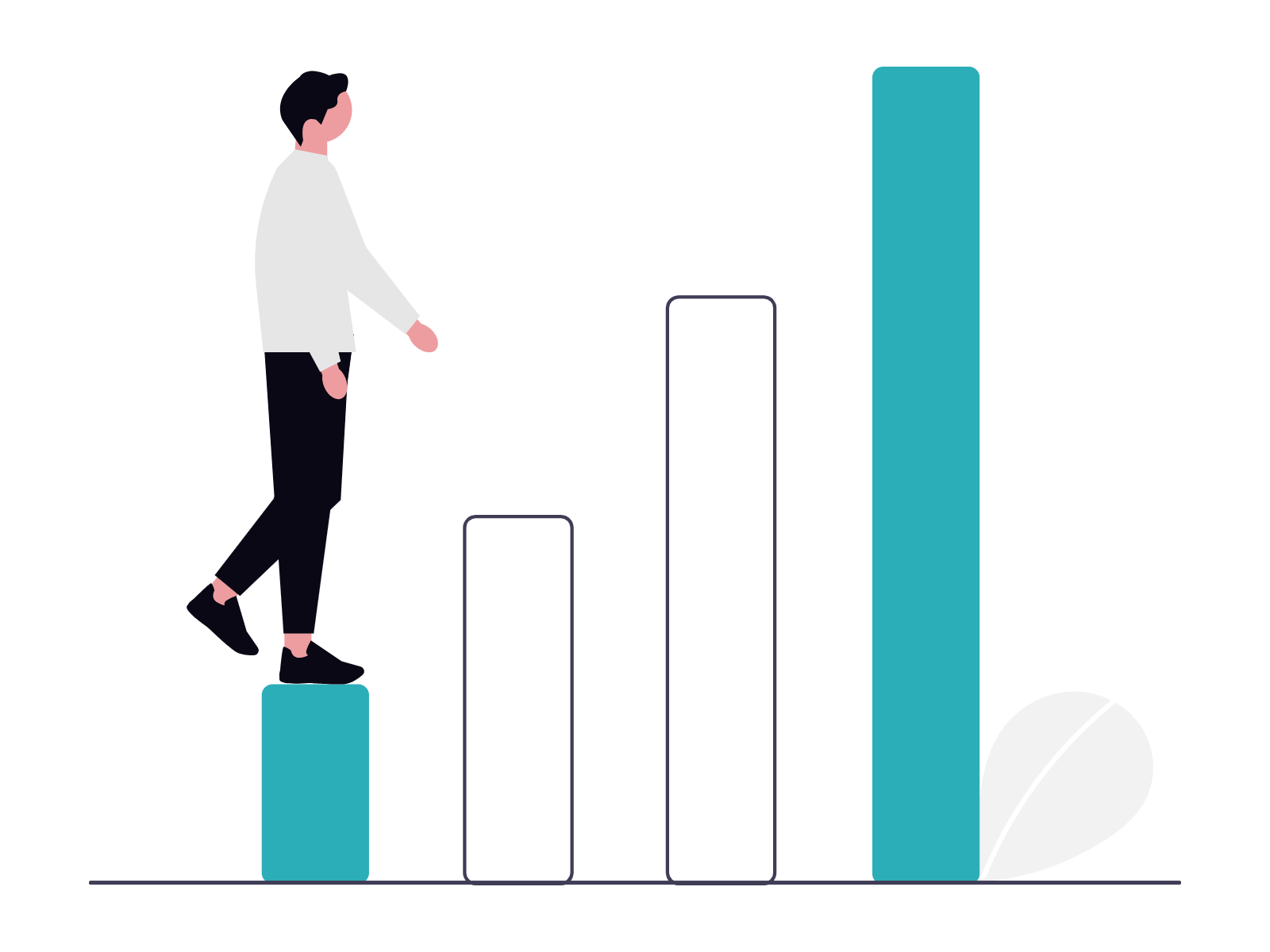
5. Measurable progress and transparency
KanzenKai works with clear and understandable indicators, such as:
- savings rate, size of financial buffer, debt burden
- compliance with risk rules and reduction of impulsive decisions
- entrepreneurial results: tests, conversations, first achievements
- health habits: consistency in sleep, movement and stress management
The goal is for people to see real progress, not just a subjective feeling.
What the Participant Path Looks Like (Example)

Week 1: diagnostics, path selection, first tools
Weeks 2–4: basics and eliminating the biggest leaks and risks
Weeks 5–8: stabilizing habits and introducing automation
Weeks 9–12: Build-up – framework investments, validation, health habits
Next: Community support, monthly reviews and "office hours"
The KanzenKai model


What KanzenKai Promises (Realistic)
- less chaos through a clear system
- fewer mistakes through rules and risk discipline
- more consistency through habits and accountability
- better results through measurement and adjustments
No quick promises. With a focus on sustainability.
Contacts
Contact us
Have a question or idea for a campaign, event or initiative? Fill out the form and we will contact you to turn knowledge into action!
You agree with Our privacy policies by sending us a message.